Ceramic Coating vs Wax vs Sealant: Honest Comparison
By Ceramic Coating Bolton · Published 2026-10-14 · Ceramic coating guides
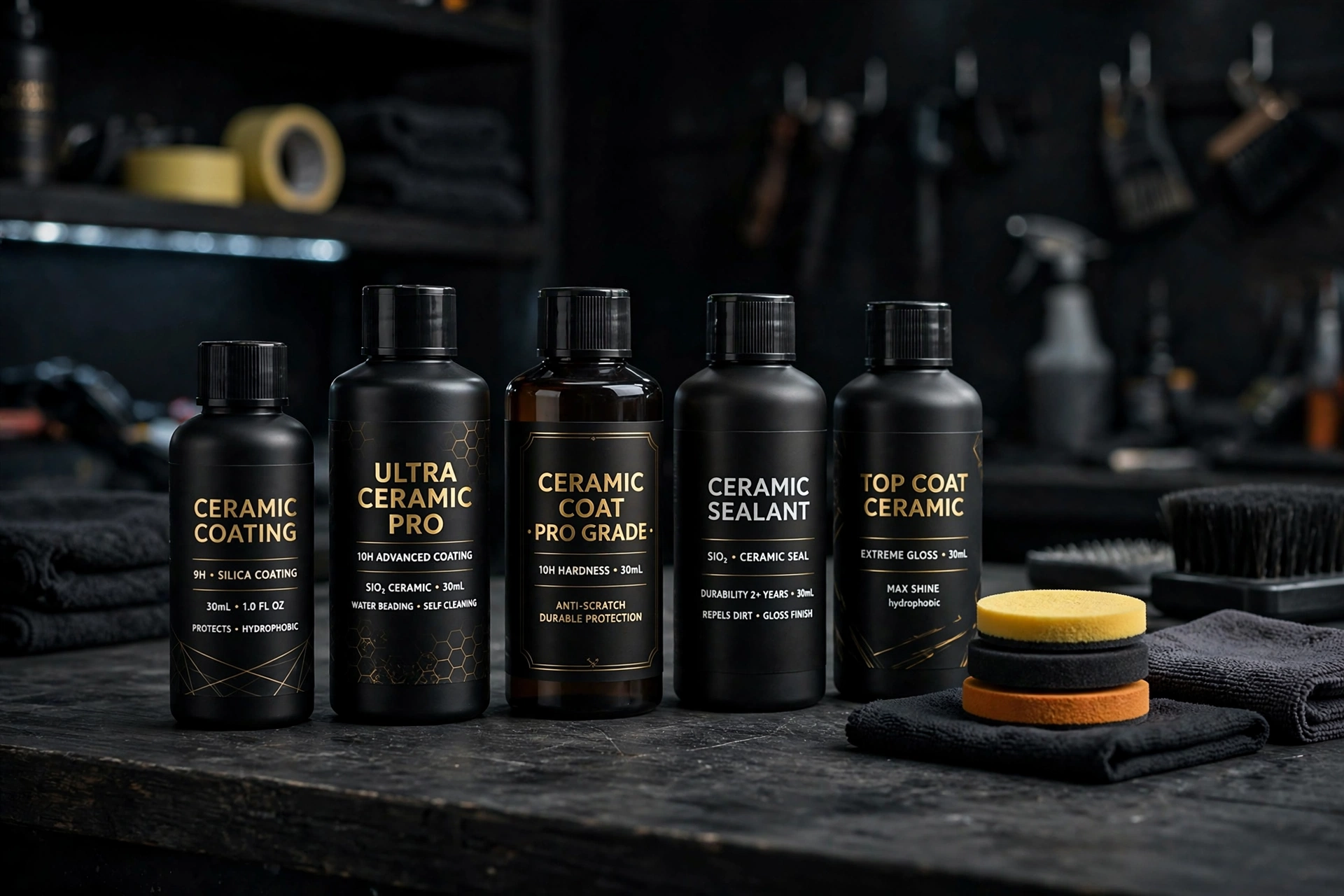
Ceramic coating lasts years, bonds chemically to paint, and offers the strongest water repellency, UV, and chemical resistance — but costs the most and needs professional preparation. Sealants last months and are easy to apply yourself. Carnauba wax lasts weeks and gives a warm glow, but the least protection. Choose based on how long you want protection to last.
Every paint protection product promises shine, but they work in fundamentally different ways and last for wildly different times. Carnauba wax is the traditional choice, synthetic sealants are the modern middle ground, and ceramic coatings are the long-term heavyweight. Picking the right one comes down to an honest assessment of your budget, your patience for reapplication, and what you actually want the product to do.
This comparison lays out durability, protection, appearance, cost, and effort side by side — with no product to sell you. Each option genuinely suits some drivers better than others, and the 'best' choice is the one that matches how you use and care for your car. By the end, you'll know exactly which option fits your budget, your habits, and your expectations.
Durability: The Biggest Difference
This is where the three part company most dramatically. A carnauba wax typically survives four to eight weeks of UK weather before it needs reapplication. A synthetic paint sealant stretches that to three to six months. A professional ceramic coating lasts two to five years. Over a five-year ownership, that means roughly thirty wax applications versus a single coating — which reframes the cost comparison entirely.
Protection Compared, Honestly
Ceramic coating wins on every protection measure: hardest surface, strongest hydrophobics, best UV resistance, and real chemical resistance against bird droppings, salt residue, and acidic contamination. Sealants offer moderate chemical resistance and decent water behaviour while they last. Wax provides a sacrificial barrier and some water beading, but minimal chemical or UV defence — it is primarily cosmetic. None of the three prevents stone chips or scratches; only paint protection film does that.
- Ceramic coating: years of durability, strongest hydrophobics, best UV and chemical resistance
- Paint sealant: months of durability, good water behaviour, moderate chemical resistance
- Carnauba wax: weeks of durability, warm glow, minimal chemical or UV protection
- None prevents stone chips or scratches — that needs paint protection film
Appearance and Feel
Wax devotees aren't wrong about the look: carnauba gives paint a deep, warm, wet glow that many enthusiasts prefer, especially on dark colours. Ceramic coatings produce a sharper, glassier, more reflective shine — striking on metallics and pearls. Sealants sit between the two. Appearance is subjective, but durability of that appearance is not: a coating's gloss lasts years, while wax's glow fades within weeks of British rain.
Cost and Effort Over Time
Wax is cheapest per application (£10–£20 of product, an hour of your time) but demands constant reapplication. Sealants cost slightly more and need doing a few times a year. A professional coating costs hundreds upfront but then asks little of you for years beyond correct washing. If you enjoy detailing as a hobby, wax or sealant gives you a satisfying ritual. If you'd rather wash less and think about protection never, the coating's upfront cost buys you that freedom.
Which Should You Choose?
Choose wax if you enjoy detailing regularly, show your car, or want the lowest cost of entry. Choose a sealant if you want decent protection with DIY-friendly application a few times a year. Choose ceramic coating if you keep the car long-term, want maximum protection with minimum ongoing effort, and are willing to pay for professional preparation. Many enthusiasts combine approaches — a coated daily driver and a waxed weekend car is a common and sensible split.
Frequently asked questions
Can you put wax on top of a ceramic coating?
Is a paint sealant a good compromise?
Do I still need to polish before wax or sealant?
Which is best for a daily driver in winter?
Get your free, no-obligation quote
Tell us about your car and what it needs. We'll reply with an exact price and the earliest available slot.
Open 24 hours, 7 days a week — call or message any time.