Bird Droppings & Tree Sap: Ceramic Coating Protection
By Ceramic Coating Bolton · Published 2026-10-14 · Ceramic coating guides
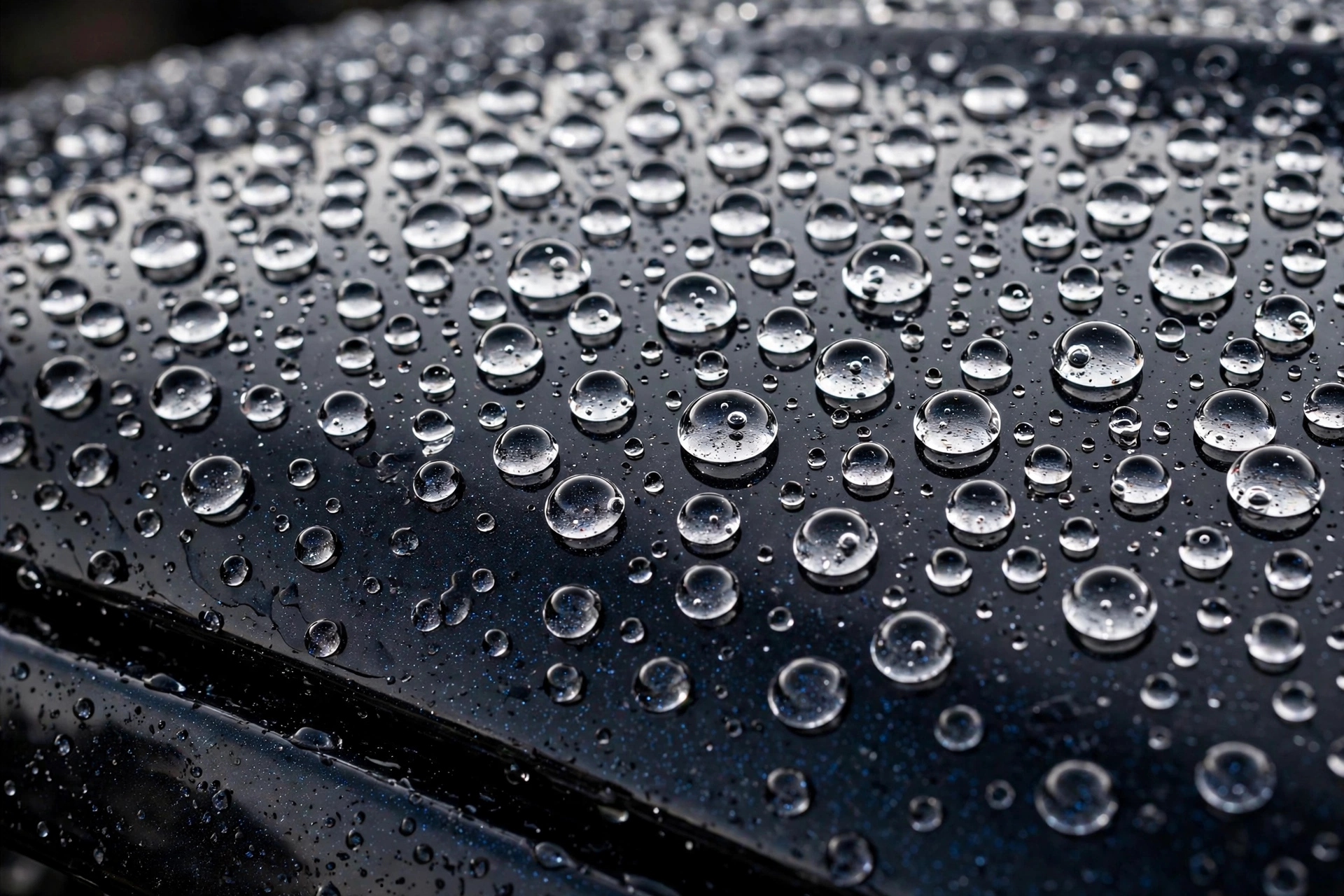
Ceramic coating significantly reduces damage from bird droppings and tree sap: its chemical-resistant surface slows etching and stops contaminants bonding firmly, making safe removal much easier. But it doesn't grant immunity — droppings left baking in summer sun for days can still etch through. The rule is simple: remove them promptly with proper technique.
Few things ruin a detailer's day like discovering a bird dropping has etched a permanent mark into fresh paintwork. Bird lime is acidic and, baked by sun, can eat into clear coat within hours. Tree sap is similarly aggressive, bonding like glue and staining as it cures. Both are among the most common causes of permanent paint damage in the UK.
A ceramic coating is one of the best defences against both — but 'resistant' is not 'immune'. This guide explains the chemistry, the safe removal method, and the time limits you should respect even on a coated car. You'll learn exactly how much protection a coating really gives you and how to remove deposits safely. We also cover what to keep in the boot during summer.
Why Droppings and Sap Damage Paint
Bird droppings are acidic (typically pH 3–4.5) and the damage is heat-accelerated: in warm sun, the dropping dries, contracts, and its acids attack the clear coat, while the hardened deposit bonds physically to the surface. Tree sap contains sugars and organic acids that cure into a rock-hard, chemically aggressive deposit. On unprotected paint, both can cause permanent etching — a dull, stained crater in the clear coat — within a single hot day. Dark colours show the damage worst.
What the Coating Changes
The coating intervenes at every stage of the damage process. Its chemical resistance slows acid attack dramatically — what etches bare clear coat in hours may take days to trouble a coated surface. Its slick, hydrophobic finish stops droppings and sap bonding firmly, so they lift off with gentle cleaning instead of needing aggressive scrubbing. And as a sacrificial layer, any light etching that does occur often sits in the coating rather than your paint, where it can sometimes be polished out without touching clear coat.
- Chemical resistance slows acid etching from droppings and sap
- Slick surface prevents firm bonding — deposits lift off easily
- Sacrificial layer absorbs light etching instead of your clear coat
- Buys you time: hours become days before damage sets in
Safe Removal: The Right Technique
Speed matters, but technique matters more — scrubbing a dried dropping grinds abrasive grit into the paint. Soak the deposit first: lay a damp microfibre cloth over it for several minutes to soften it, or use a dedicated bird-dropping remover spray. Then lift it away gently with minimal pressure, working from the edges inward. For tree sap, an isopropyl alcohol solution or dedicated tar and sap remover dissolves the deposit without scrubbing. Never use your fingernail, a scraper, or a dry cloth.
Time Limits: Even Coated Cars Have Them
In cool, overcast weather, a coated car tolerates droppings for several days without damage. In hot summer sun, treat it as hours, not days — heat accelerates the chemistry enormously. Sap is more forgiving on timing but harder to remove the longer it cures. Keep a quick-detailer spray and microfibre cloths in the boot during summer; a sixty-second wipe when you spot a dropping prevents a problem that polishing might not fully fix.
Frequently asked questions
Can bird droppings etch through a ceramic coating?
Will tree sap stain a coated car permanently?
Is it safe to use tar remover on a coating?
Do I need to reapply topper after removing sap?
Get your free, no-obligation quote
Tell us about your car and what it needs. We'll reply with an exact price and the earliest available slot.
Open 24 hours, 7 days a week — call or message any time.